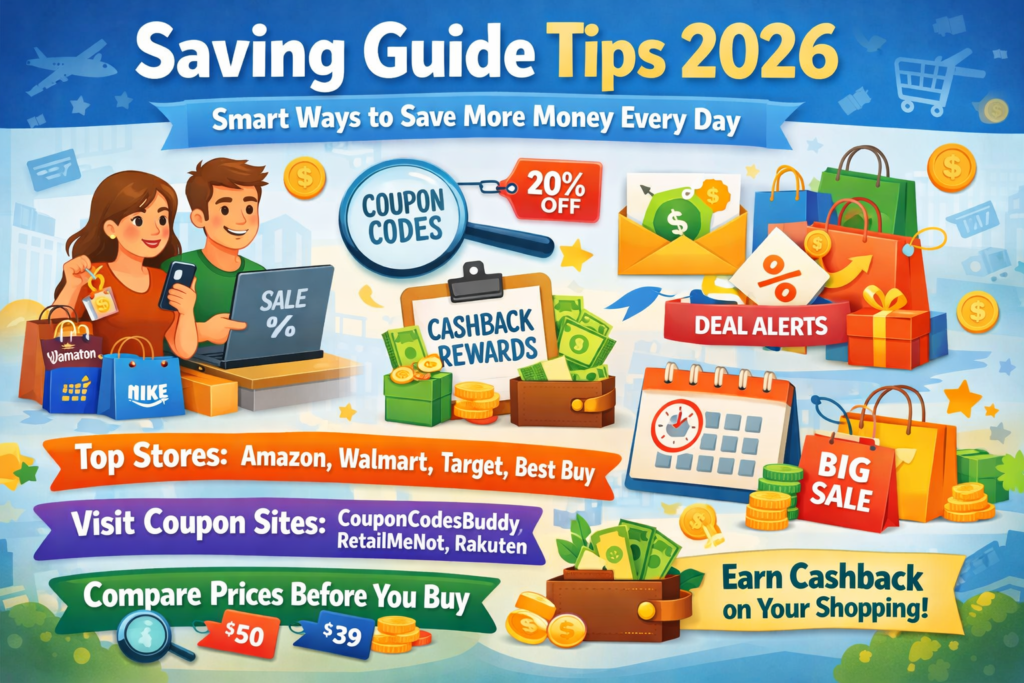
Let’s be real: the “clipping coupons” era is officially in the rearview mirror. If you’re still hunting through the Sunday paper with a pair of scissors, you’re basically using a rotary phone in a 5G world.
By 2026, the battle for your wallet has moved entirely to your smartphone. We’re living in a high-tech tug-of-war between Instant Gratification (Coupons) and The Long Game (Cashback). Both claim to be the king of savings, but the reality is a bit more nuanced.
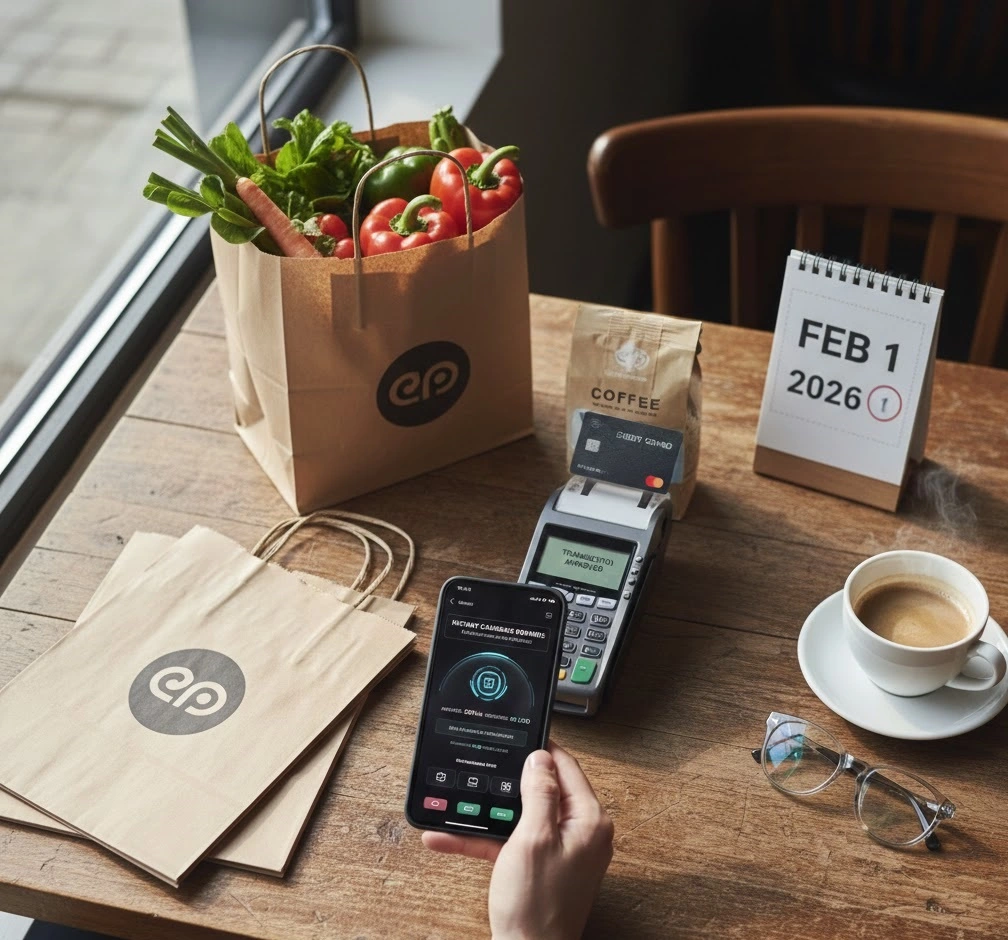
If you’re trying to figure out where to focus your energy to actually see your bank balance grow this year, here is the “no-fluff” breakdown of how the landscape looks right now.
The State of the Game: Instant vs. Delayed
The fundamental difference hasn’t changed, but the technology has.
- Coupons (The Sprinters): These are your digital promo codes, “clip-to-card” offers in your grocery app, and browser extensions like Honey or Capital One Shopping. They slash the price at the moment of impact. You feel the win immediately at the register.
- Cashback (The Marathoners): This is money that comes back to you after the fact. Whether it’s a 5% rotating category on your Discover card, a Rakuten check, or Ibotta “receipt scanning,” you pay full price today to get a “rebate” tomorrow.
Why Coupons are Winning the “Inflation” War
In 2026, we’re still feeling the ripples of the last few years of price hikes. For many Americans, “money tomorrow” doesn’t help when the “total due” today is $200 and you only have $180 in the account.
The Pros of the 2026 Coupon:
- Lowering the Barrier to Entry: Modern AI-powered extensions now test dozens of codes in seconds. You don’t “hunt” anymore; the software does the legwork.
- Stacking is the New Standard: Most major retailers (Target, Kroger, etc.) now allow you to stack a manufacturer’s digital coupon with a store sale.
- Psychological Relief: There is a specific dopamine hit when you see that “You Saved $42.50” at the bottom of a digital receipt.
The Cons:
They are becoming increasingly personalized. In 2026, “Algorithm Pricing” means the coupon I get might be for 10% off, while you get 20% because the store knows you haven’t visited in a month. It’s effective, but it can feel a little “Big Brother.”
Why Cashback is the “Smarter” Financial Move
If you aren’t living paycheck-to-paycheck, cashback is objectively the more powerful tool. Why? Because it’s often stackable.
In 2026, the “Pro Saver” workflow looks like this:
- Find an item on sale.
- Apply a digital coupon.
- Pay with a 5% cashback credit card.
- Click through a cashback portal (like Rakuten).
- Upload the receipt to a secondary app (like Fetch or Ibotta).
By the time you’re done, you haven’t just saved money; you’ve effectively created your own 15–20% discount on an item that was already on sale.
Pro Tip: In 2026, “Instant Cashback” is the big trend. Apps like JamDoughnut or certain “Pay with Rewards” features in Apple/Google Wallet now give you the cashback almost immediately after the transaction clears, blurring the line between a coupon and a rebate.
The 2026 Comparison: At a Glance
| Feature | Digital Coupons | Cashback Apps/Cards |
| Effort Level | Low (Automatic extensions) | Medium (Receipt scans/Link clicks) |
| Payout Time | Zero (Instant) | 30–90 Days (Usually) |
| Best For | Groceries & Daily Essentials | Big Tech, Travel & Clothing |
| Hidden Trap | Encourages “Impulse” buying | “Found money” often gets wasted |
The Psychological Trap: “Saving” vs. “Earning”
Here is the “Human” side of the 2026 shopping experience. Retailers love cashback more than coupons. Why? Because when you get a $50 Rakuten check or a $20 credit on your credit card statement, you don’t view it as “hard-earned income.” You view it as “Found Money.”
Studies show that people are 30% more likely to spend their cashback on “wants” (luxuries) rather than “needs.” If you save $10 at the register with a coupon, that $10 stays in your checking account and pays for your electric bill. If you get $10 back in an app three months later, you’re likely to spend it on a fancy coffee.
If you want to actually “save,” you have to treat your cashback like a second paycheck and move it straight to a high-yield savings account.
Which one wins in 2026?
If I have to pick one for the average person, Coupons (Digital/AI-driven) win for daily life. The immediate reduction in the cost of living is more valuable in a high-inflation environment. It keeps your cash flow healthy and prevents you from “waiting” on your own money to come back to you.
However, the “Wealth Builder” chooses Cashback.
If you have the discipline to wait and the tech-savviness to stack your rewards, cashback offers a higher “ceiling” of total money returned.
How to Maximize Your Savings Today
Don’t choose. Integrate. To win the 2026 savings game, follow the “Rule of Three”:
- Automate the Coupon: Install one (and only one) reputable browser extension.
- Loyalty over Luck: Stick to 2–3 store apps (like Target Circle or Walmart+) rather than 50 different ones. The rewards programs in 2026 are designed to reward “Frequent Flyers.”
- The “Sweep”: Once a month, “sweep” all your cashback balances into a dedicated savings bucket. If it stays in the app, it’s not savings it’s just a future impulse buy.
Which side are you on? Do you prefer the instant win of a promo code, or do you love the “big check” feeling of a cashback payout?